In short
- Bus lines 101 and 102 take 30 minutes from the central terminal.
- Taxis and rideshares take 20 to 30 minutes to reach the visitor center.
- Guided tours handle logistics and often combine visits to Iguazu Falls.
In this article
Reaching the Brazilian side of the dam is straightforward. The visitor center sits directly on Avenida Tancredo Neves. Depending on your budget and schedule, you can use public transit, drive, or book an excursion.
How far is Itaipu Dam from Foz do Iguaçu?
The Brazilian visitor center is roughly 12 kilometers (7.5 miles) from the center of Foz do Iguaçu.
Driving from downtown takes 20 to 30 minutes depending on traffic. All transport methods will drop you near the main Reception Center on Avenida Tancredo Neves. From there, you will clear a binational security barrier before your tour begins.
Can I take a public bus to the dam?
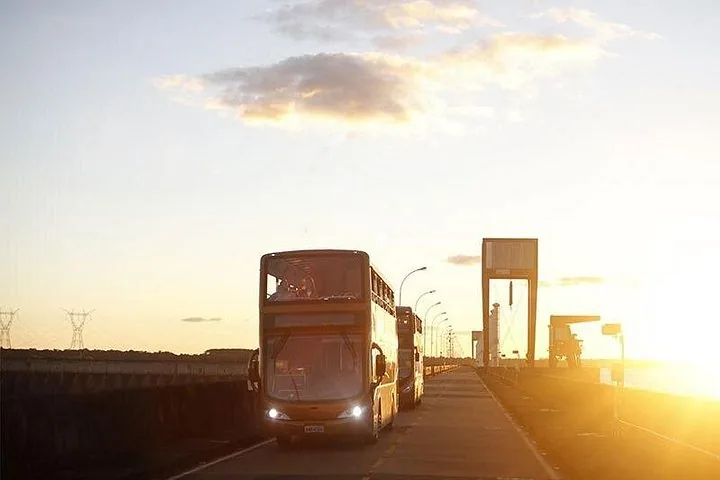
Yes, you can take public bus lines 101 or 102 from the central terminal in Foz do Iguaçu.
These buses are labeled 'Itaipu Dam, Vila C Norte/Sul'. The ride takes about 30 minutes. The bus stops near the Brazilian Visitor Reception Center, making it a very cost-effective way to arrive.
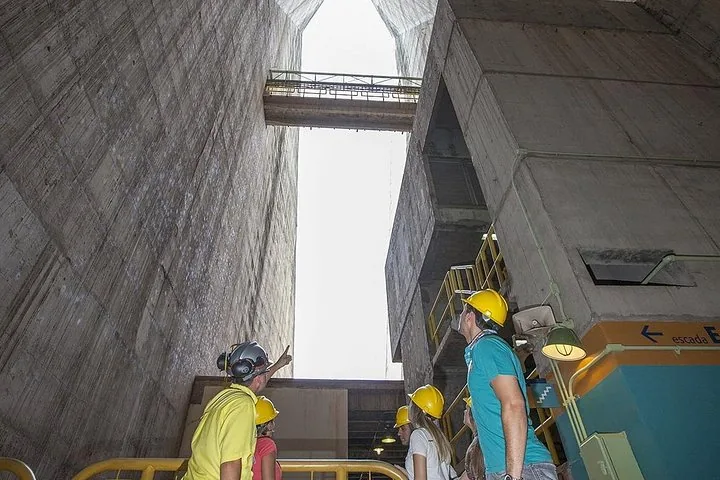
Should I book an organized tour to Itaipu Dam?
Prearranged guided excursions are very convenient, especially if you want to visit multiple sites in one day.
Many agencies pick you up directly from your hotel in Foz do Iguaçu. Organized tours are highly recommended when combining Itaipu with a visit to the Brazilian side of Iguazu Falls. They remove the stress of navigating local traffic.

Questions travellers ask
How long does the Itaipu Dam tour take?
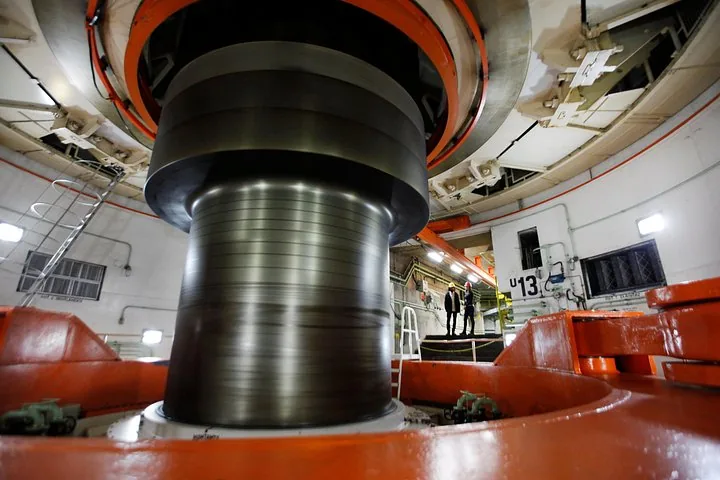
The Panoramic tour takes about 1 hour and 10 minutes. The interior Special tour requires 2 hours and 30 minutes.
Is the Itaipu Dam in Brazil or Paraguay?
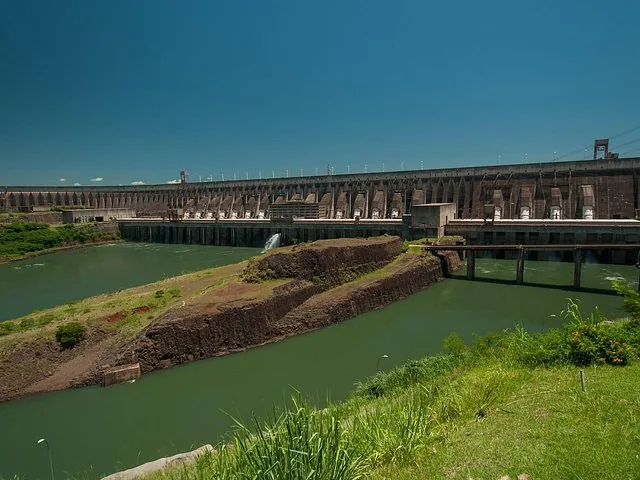
The dam spans the Paraná River, serving as the border between Brazil and Paraguay. You can visit from either side, though the Brazilian visitor center is in Foz do Iguaçu.
Do you need a passport to visit Itaipu Dam?
Yes, you need a valid passport or government-issued ID. This is essential for entry and to pass through the binational security barrier.